

Tsukimichi Moonlit Fantasy invites readers to a world where a modern man is summoned to a fantasy realm, blending humor, romance, and epic battles. The light novel’s vivid characters and imaginative plot keep fans engaged, offering fresh twists on old tropes.

What is Tsukimichi Moonlit Fantasy?
Tsukimichi Moonlit Fantasy is a Japanese light novel series written by Mōshi and illustrated by Yūki. The story follows a high‑school student named Takumi Yoshino, who is unexpectedly summoned to a parallel world as a “Hero” after a failed attempt to escape a game. Unlike traditional hero narratives, Takumi is not destined for glory; instead, he is granted the unique ability to “summon” and command a diverse array of mythical creatures, each with distinct personalities and powers. This mechanic allows him to build a formidable army of allies, ranging from dragons and phoenixes to more obscure beings like the enigmatic “Swan‑touched” spirits. The plot weaves together elements of adventure, romance, and comedic mishaps as Takumi navigates the politics of the new realm, learns to harness his summoning skill, and gradually uncovers the deeper mysteries surrounding his arrival. The series is noted for its rich world‑building, which blends high fantasy tropes with contemporary humor, and for its character development, where even the side characters receive meaningful arcs. Visuals in the novel are complemented by detailed illustrations that capture the whimsical and dramatic moments, enhancing the reader’s immersion. Overall, Tsukimichi Moonlit Fantasy offers a fresh take on the isekai genre, balancing lightheartedness with epic stakes.
Popularity and Appeal
The series’ blend of humor, romance, and strategic summoning mechanics has resonated with audiences seeking a fresh twist on the isekai formula. Early volumes quickly climbed bestseller lists, prompting the publisher to release special editions featuring exclusive art and bonus chapters. Social media buzz—on Twitterand Reddit—has amplified word‑of‑mouth promotion, with fans sharing fan art, character analyses, and humorous memes that highlight Takumi’s reluctant heroism. The franchise’s appeal is further amplified by its accessible tone; while it delivers epic battles and world‑building depth, the narrative remains approachable for newcomers. The manga adaptation, with its dynamic paneling and faithful translation of the light novel’s humor, has expanded the fanbase, drawing readers who prefer visual storytelling. Moreover, the upcoming anime adaptation has generated anticipation, as fans anticipate seeing the summoning sequences and character interactions brought to life. The series’ success has also spurred a range of merchandise, from figurines to apparel, reinforcing its cultural footprint. Collectively, these factors—strong sales, vibrant fan engagement, and cross‑media expansion—cement Tsukimichi Moonlit Fantasy’s status as a standout title within the light novel community.
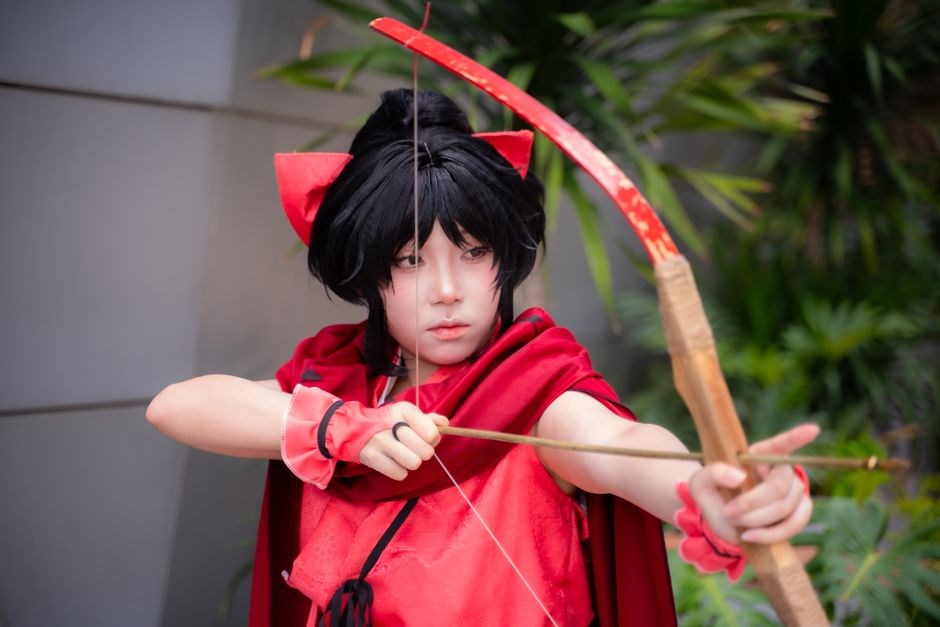
Light Novel Overview
Tsukimichi Moonlit Fantasy is a light novel series by Reiji Mikamoto, published by MF Bunko J. First released in 2018, it blends isekai tropes with strategic summoning, humor, and romance, captivating a broad readership.and its engaging world-building.!
Author, Publisher, Release Date
Reiji Mikamoto, the creative mind behind Tsukimichi Moonlit Fantasy, debuted with this series in 2018. His writing style blends sharp humor with heartfelt moments, creating a unique tone that resonates with readers. The story first appeared in the MF Bunko J light novel imprint, a well‑known publisher that specializes in contemporary fantasy and isekai titles. MF Bunko J, part of the larger Media Factory group, has a reputation for nurturing new talent and delivering high‑quality translations. The initial release date for the first volume was June 25, 2018, marking the beginning of a series that would quickly gain a dedicated fanbase. Subsequent volumes were released on a regular schedule, typically every few months, ensuring a steady flow of new content. The publisher’s commitment to timely releases and meticulous editing helped maintain the series’ momentum. Mikamoto’s collaboration with illustrator Yūichi Saitō further enhanced the visual appeal, with cover art that captures the whimsical yet epic nature of the narrative. Together, the author, publisher, and artist crafted a compelling package that appealed to both light novel enthusiasts and newcomers to the genre. Fans enjoy the blend of humor, making each chapter adventure.!
Genre and Target Audience
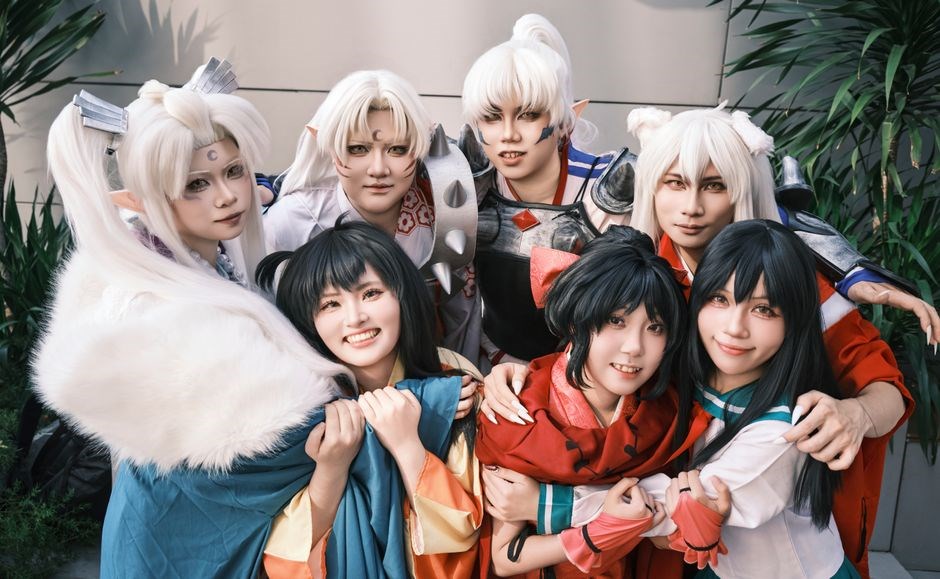
Tsukimichi Moonlit Fantasy is firmly rooted in the isekai subgenre, where a contemporary protagonist is transported to a fantastical realm. The narrative blends high‑fantasy elements—magic, mythical beasts, and epic quests—along with slice‑of‑life humor and romantic subplots. This hybrid approach appeals to readers who enjoy light, comedic storytelling yet crave depth in world‑building and character development. The series targets a demographic of late‑teen to adult male readers, typically 18‑35, who are accustomed to the isekai formula but seek fresh twists and witty dialogue. Its pacing, humor, and occasional emotional beats also attract a broader audience, including female readers who appreciate strong, relatable female characters and a protagonist who evolves from a reluctant hero to a confident leader. The light novel format, with its accessible prose and frequent illustrations, makes it approachable for newcomers while satisfying seasoned fans of the genre. Overall, the blend of fantasy adventure, comedic timing, and character growth positions Tsukimichi Moonlit Fantasy as a compelling choice for anyone who enjoys a lighthearted yet immersive isekai experience. Additionally, the series incorporates elements of strategic gameplay, as the protagonist often engages in tactical battles that require careful planning and resource management. This adds a layer of intellectual engagement that complements the lighter moments, making the story both entertaining and intellectually stimulating. The light novel’s episodic structure allows readers to digest the story in manageable chunks, each chapter often ending with a cliffhanger that encourages continued reading. This blend of humor and depth keeps the narrative engaging for a wide range of readers everywhere.

Plot and Characters
In Tsukimichi, a modern man is summoned to a fantasy realm, where he must navigate politics, forge alliances, and grow from a timid survivor into a powerful hero, all while uncovering hidden truths. and a quest for destiny.!!
Main Premise
The story follows Takuto, a 27‑year‑old office worker who, after a routine commute, is abruptly transported to a parallel fantasy world. In this realm, he discovers he has been summoned as a “hero” by a goddess, but instead of a noble title, he is given a humble role as a “commoner” with no special powers. Despite this, Takuto’s modern knowledge and quick wit become invaluable assets as he navigates unfamiliar politics, dangerous monsters, and complex social hierarchies. The narrative balances action, humor, and romance, as Takuto forms alliances with a diverse cast of characters—including a charismatic demon lord, a stoic knight, and a mysterious mage—while uncovering the truth behind the world’s looming threat. Throughout his journey, he must confront his own insecurities, learn to trust others, and ultimately decide whether to embrace the destiny thrust upon him or forge his own path. The plot weaves themes of identity, destiny, and the clash between modern logic and ancient mysticism, creating a fresh take on the isekai genre that keeps readers engaged from the first chapter to the final revelation. He also learns that choice echoes realms, that can be a and that line between hero and villain blurs when power is wielded without wisdom.
Protagonist and Supporting Cast
Takuto, the 27‑year‑old office worker turned reluctant hero, is the story’s central figure. His ordinary background contrasts sharply with the fantastical world he now inhabits, making his growth from a clueless newcomer to a strategic leader a compelling arc. Takuto’s quick thinking, survival instincts, and modern knowledge of technology give him an edge in battles and diplomacy alike. He is driven by a desire to protect those he cares about, especially his childhood friend who mysteriously appears in the new realm, and by a growing sense of responsibility toward the people he meets. The goddess who summons him, a benevolent deity who offers guidance, serves as a moral compass, while the enigmatic demon lord, once a feared tyrant, becomes a reluctant mentor, teaching Takuto the subtleties of power and politics. A stoic knight, loyal to the kingdom’s cause, provides a steady hand in combat, and a mysterious mage with a hidden past offers arcane wisdom that often turns the tide. Together, they form a band of diverse personalities—each with their own motives, strengths, and flaws that challenge and support Takuto. Their interactions reveal trust, sacrifice!! The cast’s depth enriches the narrative, ensuring chapter feels fresh so emotional
Themes and Art Style
Themes of destiny, identity, duty, and desire intertwine with a vibrant art style blending sharp lines and soft palettes. Illustrations capture dynamic battles, intimate moments, and the world’s mystical allure and wonder.!!!!
Fantasy Elements
In Tsukimichi Moonlit Fantasy, the world is a tapestry of mystical realms, each woven with its own lore, geography, and cosmology. The protagonist, Satoru Fujinuma, is thrust into a land where elemental spirits govern the climate, celestial beings influence destiny, and ancient ruins whisper forgotten prophecies. Magic is not merely a tool but a living force that permeates the environment, shaping the very fabric of reality. The story features a diverse array of races—humans, elves, dwarves, and mythical creatures such as griffins, dragons, and phoenixes—each with distinct cultures, societal structures, and unique abilities. The narrative explores the mechanics of spellcasting, the hierarchy of magical guilds, and the political intrigue that surrounds the use of power. Additionally, the plot introduces a complex system of divine intervention, where gods and demigods interact with mortals, offering quests, blessings, or curses that alter the course of events. The world’s geography is richly detailed, from sprawling kingdoms and hidden valleys to floating islands, connected by ancient ley lines that channel raw magical energy. The author blends high fantasy tropes with fresh twists, creating a setting that feels both familiar and original, inviting readers to immerse themselves in a universe where wonder and danger coexist in equal measure. The mechanics of spellcasting and guild politics add intrigue.
Light Novel Aesthetic
The visual style of Tsukimichi Moonlit Fantasy blends modern illustration with classic fantasy motifs. The cover shows a dramatic moonlit skyline and the protagonist beside a glowing sword. Inside, panels are clean and crisp, using a palette of cool blues and warm golds that mirror the protagonist’s dual journey. The slightly exaggerated chibi‑style characters add humor while conveying emotional stakes. Dynamic angles and dramatic lighting create motion and urgency, especially in battle scenes. Detailed backgrounds hint at the world’s rich history. The aesthetic feels fresh yet familiar, appealing to fans of traditional light novel art and contemporary manga.
Beyond illustrations, the typography is curated. Chapter headings use a bold serif echoing medieval manuscripts, while body text is a clean sans-serif for readability. Margins are generous, giving readers space. The author inserts marginal notes and footnotes, offering lore or humorous asides. Layout includes side illustrations like character portraits and world maps, placed to complement narrative flow. This design enhances storytelling, guiding readers through emotional beats and plot twists with visual cues.
Illustrations feature color gradients that shift with story’s mood while splash pages showcase epic battles or pivotal moments. Art style balances realism with exaggeration creating rhythm that supports narrative’s pacing. Readers find aesthetic inviting as it encourages them to explore world’sdeep lore through text and image.

Accessing the PDF
Securely obtain the Tsukimichi Moonlit Fantasy PDF through channels. Check the publisher’s site, ebook stores, or authorized digital libraries. Avoid unverified sites to protect your device and respect creators’ rights. Enjoy!.
Legitimate Sources
When seeking the Tsukimichi Moonlit Fantasy PDF, it’s essential to rely on reputable outlets that honor the author’s and publisher’s rights. The most reliable options include official digital storefronts such as Amazon Kindle, BookWalker, and the publisher’s own website, where the novel is sold in e‑book format. These platforms provide secure downloads, DRM protection, and often offer sample chapters or preview pages, allowing readers to gauge the story before purchase. Additionally, subscription services like Crunchyroll’s manga library or other licensed manga/novel platforms sometimes carry the light novel in their catalog, giving users access through their existing accounts.
Another avenue is the official fan club or community forums, where members may receive exclusive links to authorized PDFs or digital copies as part of membership perks. Libraries with digital lending services, such as OverDrive or local university libraries, occasionally acquire light novels for loan, ensuring that readers can enjoy the material legally. Finally, attending conventions or official events can sometimes grant access to promotional copies or limited‑edition releases, which are distributed in compliance with copyright laws. These options guarantee safe quality reading.
Risks of Piracy
Downloading Tsukimichi Moonlit Fantasy from unofficial sites exposes readers to malware, data theft, and legal trouble. Pirated files often contain viruses or spyware that can compromise personal devices. Users may unknowingly download corrupted PDFs that break the reading experience. Moreover, piracy undermines the creators’ revenue, discouraging future releases. Legal consequences can include fines or court orders, especially if the user shares the file. Finally, pirated copies lack official translations, leading to mistranslations or incomplete chapters. Respecting copyright protects both authors and readers.
Pirated PDFs frequently miss formatting, breaking line breaks and omitting illustrations that enhance the story’s visual appeal. Without authorial notes, readers may misinterpret plot details. Illegal distribution networks are anonymous, hindering accountability and discouraging creators. This culture of disregard for intellectual property can spread, affecting other creative fields.
If you encounter a free download, scrutinize the source’s reputation. Many sites that promise free PDFs are phishing fronts designed to harvest personal data. Even if the file seems safe, hidden malware risk remains high. Verify the file’s hash against official releases and use antivirus software soon opening.
Reading Tips and Tools
When diving into Tsukimichi Moonlit Fantasy, choose a reliable reader that supports annotations, bookmarks, and adjustable fonts. EPUB readers like Calibre or Adobe Digital Editions allow you to highlight passages and add notes, making it easier to track character arcs and plot twists. For PDF versions, tools such as Foxit Reader or PDF-XChange Editor provide annotation layers and search functions. Adjust the zoom level to match your screen size; a 100% view on a laptop can feel cramped, whereas a 150% view on a tablet offers a more immersive experience.
Use a consistent naming convention for downloaded files, such as “Tsukimichi_Chapter01.pdf,” to keep chapters organized. If you prefer a physical copy, print the PDF in duplex mode to save paper, and consider using a lightbox for long reading sessions. For those who enjoy audio, some fan communities offer narrated chapters; however, verify that the audio source is licensed to avoid infringing rights. Finally, schedule regular breaks every 45 minutes to prevent eye strain, and keep a reading log to track progress and personal insights.
Keep backups in cloud or external drive. Use diff tools for new editions. On mobile, enable night mode. Share thoughts on forums to deepen appreciation. Readmore!